Flexible warehouse transport. Connected with your software and automation.
Warehouse AMRs for flexible internal transport
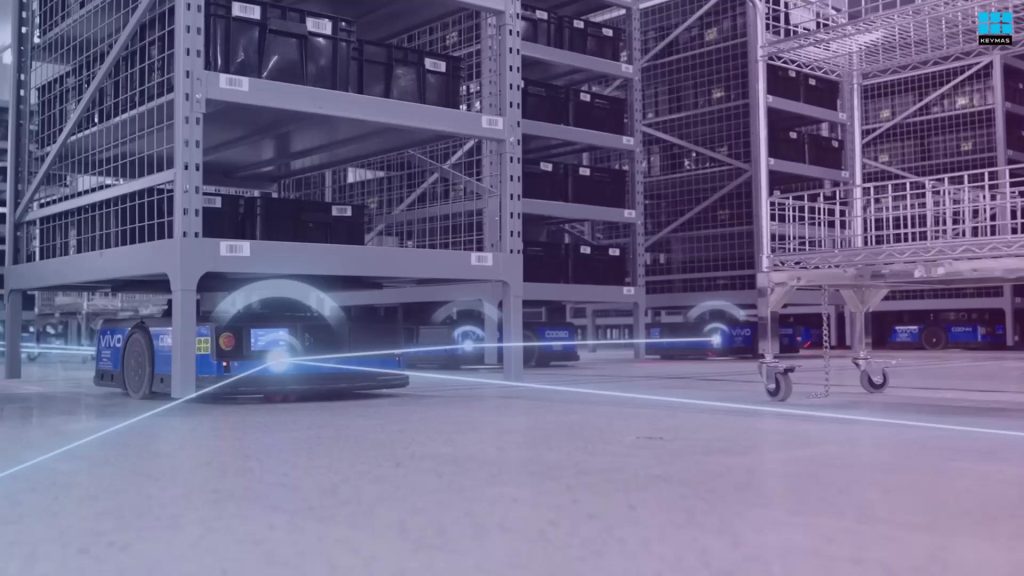
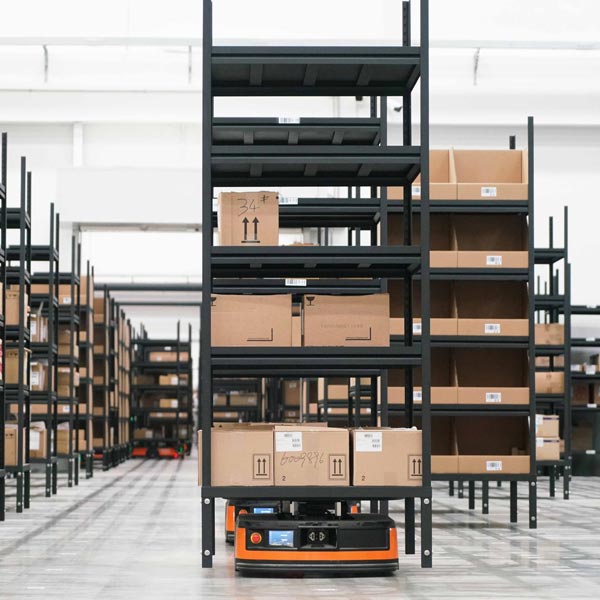
Autonomous mobile robots (AMRs) move goods between warehouse locations, helping reduce repetitive transport and keep picking, replenishment and packing operations supplied with work.
Keymas helps UK businesses plan and integrate warehouse AMR systems around their layout, loads and operational priorities. We connect mobile robots with warehouse software and fixed automation so transport tasks support the complete process.
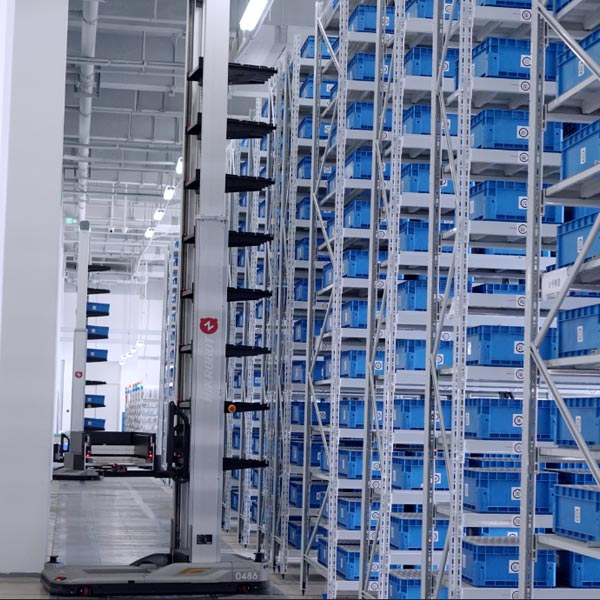
For the wider range of CTU, goods-to-person, storage and inventory applications, explore our warehouse robotics solutions.
Mobile robot automation that fits your warehouse
AMRs provide a way to automate internal transport between defined pickup and drop-off points. Suitable platforms can adapt routes using sensing and navigation software, supporting changing workflows within a planned operating environment.
The right system depends on what needs moving and how it is handled. Tote, carton, cart and pallet movements have different load, transfer and capacity requirements. We assess these alongside floor conditions, aisle access, traffic, charging and workstation availability.
Software integration is part of the design from the outset. Robot missions need to align with warehouse priorities and provide clear completion and exception information.
AMR applications: picking, replenishment and material movement
Start with the journeys that take time or interrupt the flow of work. Mobile robots can support several warehouse processes, with load-handling and transfer arrangements selected for each application.
Picking and packing support: move order containers between zones and workstations, reducing manual transport.
Replenishment: deliver stock from reserve storage to suitable pick-area handoff points.
Internal transfers: move totes, cartons, carts or pallets between agreed locations.
Conveyor connections: support transfers between mobile transport and fixed automation where compatible equipment is provided.
Mobile transport becomes more useful when it is connected to the work your warehouse needs to complete. K-Store WMS brings stock, locations, orders and tasks together, providing the operational context for robot movements.
In a planned integration, K-Store can exchange tasks and status information with the AMR fleet-control system. The fleet software manages robot execution while warehouse software coordinates the required stock movements and operational priorities.
Transport requests: connect warehouse tasks with the required pickup and destination.
Movement confirmation: update the warehouse process when a transfer completes.
Exception handling: review unavailable destinations, failed missions or stock discrepancies.
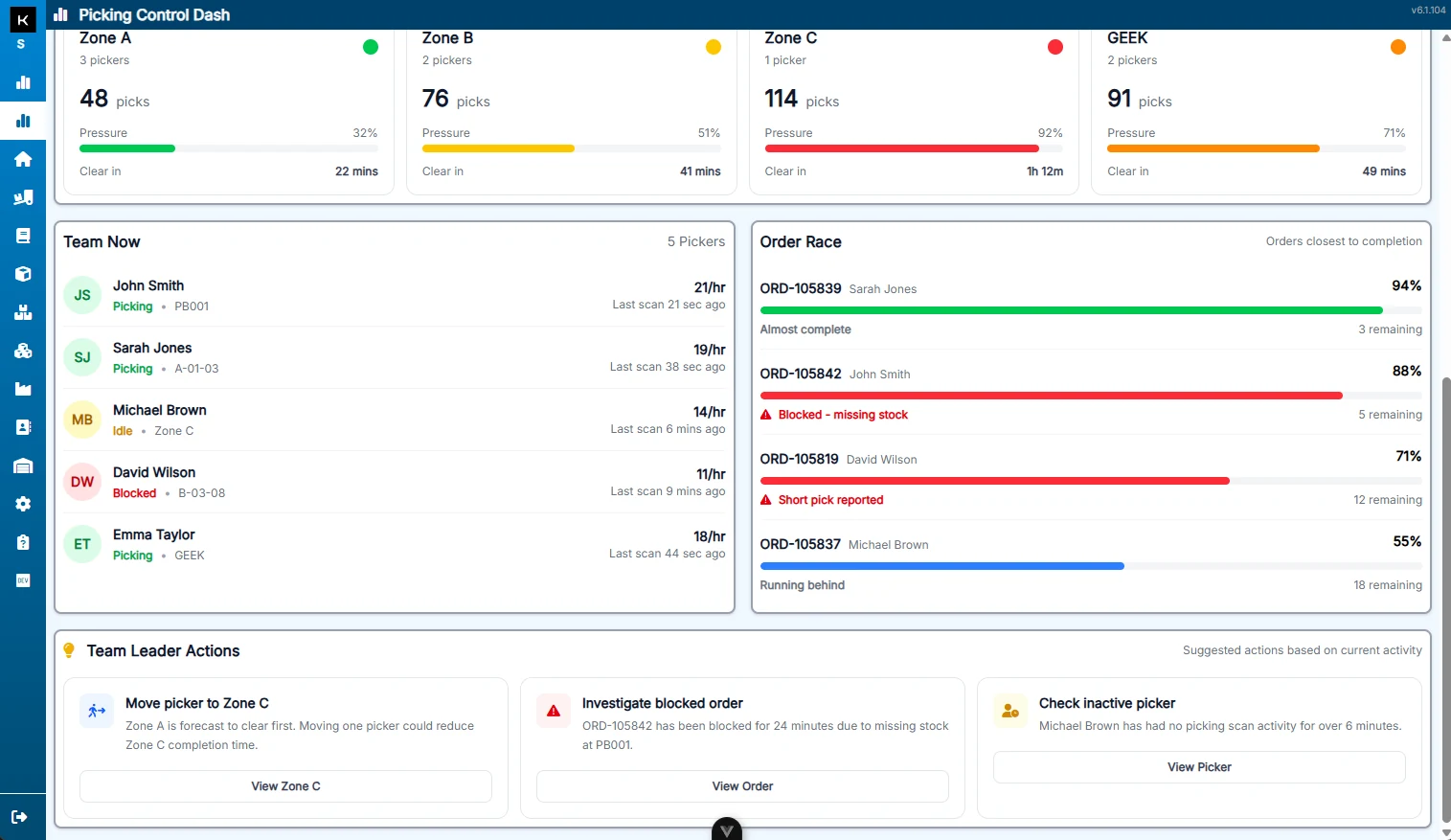
Operational visibility: view warehouse workload, picking activity and outstanding issues.
K-Store operational dashboard showing example data. Select the screenshot to enlarge.
Frequently asked questions about warehouse AMRs
What are autonomous mobile robots in a warehouse?
Autonomous mobile robots (AMRs) use onboard sensing and navigation software to move goods between defined warehouse locations. Depending on the platform, they can transport totes, cartons, carts or pallets, reducing repetitive manual travel.
What is the difference between AMRs and AGVs?
AMRs typically use sensing and mapping to plan and adapt routes. AGVs commonly operate on defined routes, although navigation capabilities vary between platforms. The right choice depends on your processes, layout and integration requirements.
What warehouse tasks can AMRs automate?
Typical applications include tote or carton transport, replenishment movements, transfers between zones and delivery of picked goods to packing or conveyor transfer points. The load-handling equipment and pickup arrangements must suit each task.
Do AMRs replace warehouse staff?
AMRs can take on repetitive transport tasks while people continue picking, packing, checking quality and managing exceptions. How roles change depends on the operational design and goals of the project.
How do AMRs support warehouse picking?
Mobile robots can move containers between zones and workstations, reducing the time operators spend transporting goods. Some robotic systems bring inventory to a fixed picking station; others support operators working in the aisles.
Can AMRs integrate with K-Store WMS or our ERP?
Yes, subject to the available interfaces and agreed project scope. Integration can exchange transport tasks, mission status and movement confirmations so warehouse records and physical activity remain coordinated.
Do we need to change our warehouse layout?
Some sites need changes to aisles, pickup and drop-off positions, charging areas or traffic arrangements. A site assessment checks the floor, access, load handling and operating conditions before recommending a layout.
How are AMRs introduced alongside people and equipment?
The project needs a site-specific risk assessment, traffic planning, appropriate operating limits and testing. Equipment capabilities, training and operating procedures must be considered together.
How long does AMR implementation take?
The programme depends on fleet size, site preparation and integration complexity. It includes assessment, design, software configuration, testing, training and commissioning; timing is established against the agreed scope.
How do we assess AMR costs and return on investment?
Compare equipment, integration, commissioning and ongoing costs with the current operation. Travel time, required transport capacity, labour availability, shifts and peak demand help establish a realistic business case.
How many mobile robots will our warehouse need?
Fleet sizing considers missions per hour, route distances, station waiting times, peak demand and charging. Capacity modelling helps assess whether a proposed fleet can meet the required workload.
Can AMRs work with conveyors and sortation systems?
Yes, with suitable transfer equipment and control interfaces. Pickup confirmation, drop-off availability, buffering and exception handling need to be designed so robots and fixed automation work together.
From AMR assessment to implementation and support
A successful mobile robot project starts with a clear understanding of the current operation. Keymas reviews your material flows, transport demand and existing systems before defining the equipment and integration scope.
Site and workflow assessment: review loads, routes, traffic and pickup and drop-off arrangements.
Fleet sizing and business case: assess missions, travel, waiting times, charging and peak demand.
Integration design: define connections with WMS, ERP, conveyors and other control systems.
Testing and commissioning: validate normal workflows, exceptions and agreed operating requirements.
Ongoing support: plan maintenance, software support and review of operational performance.